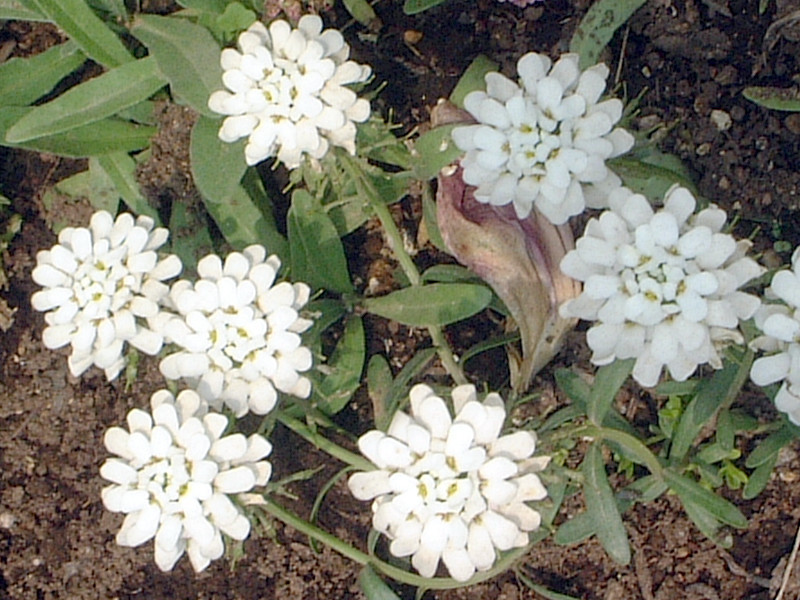
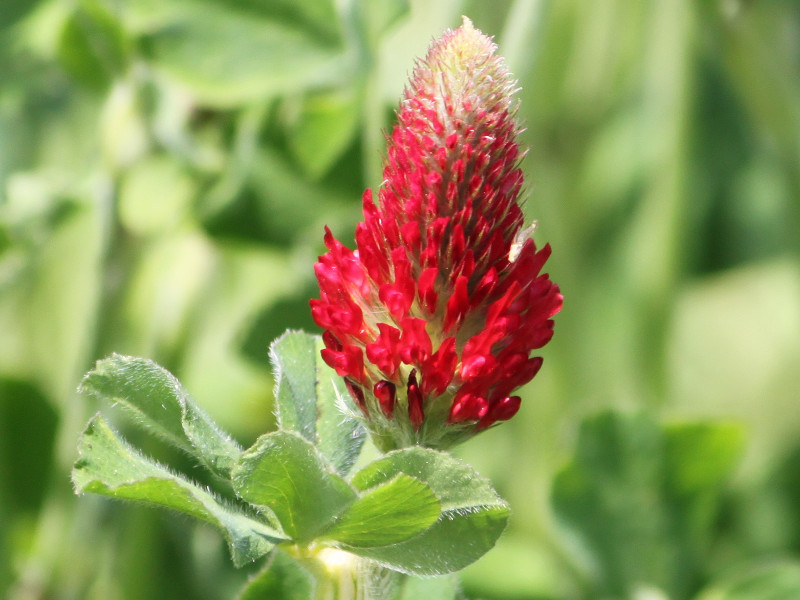
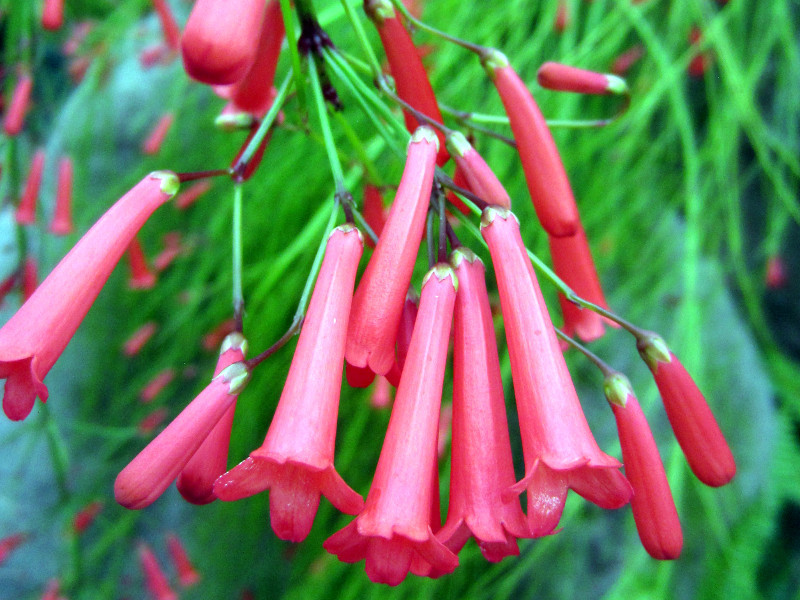
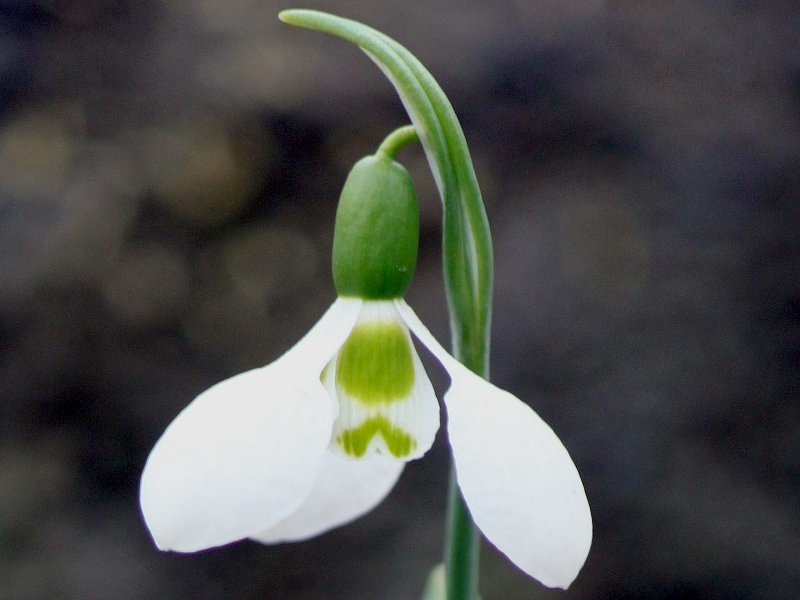
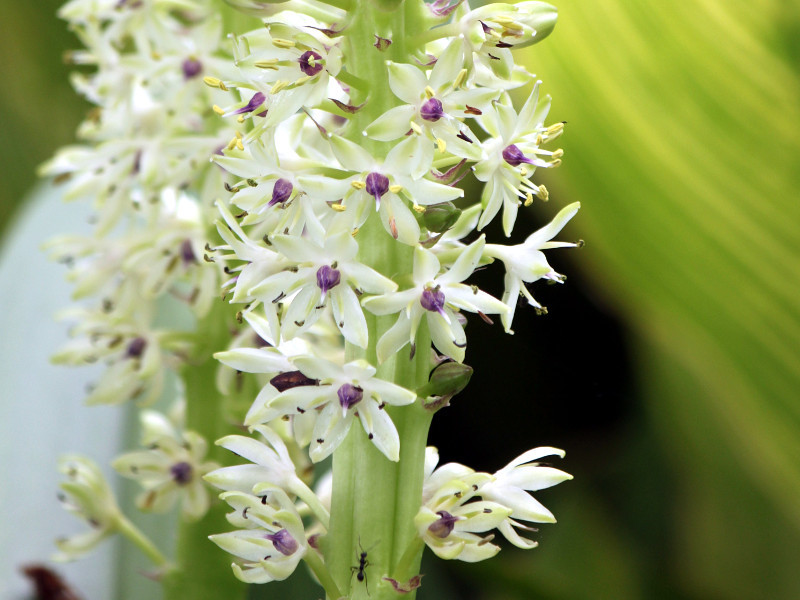
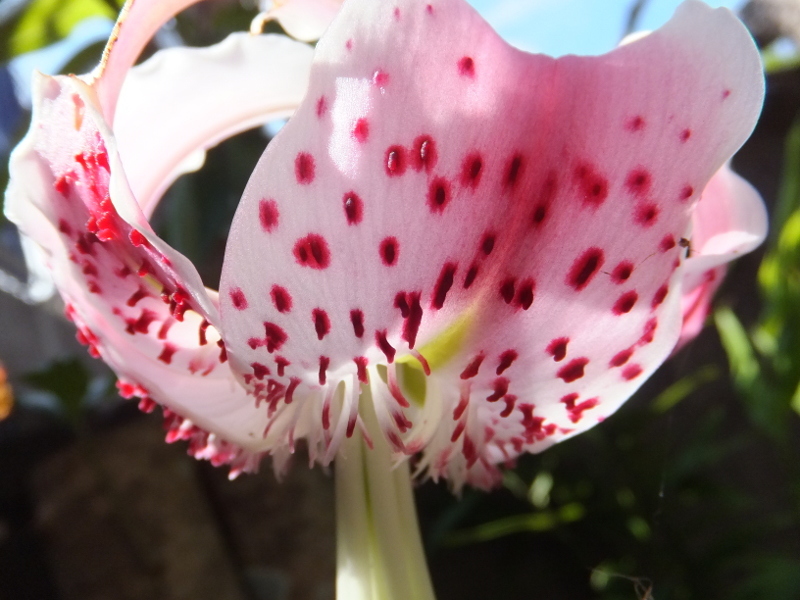
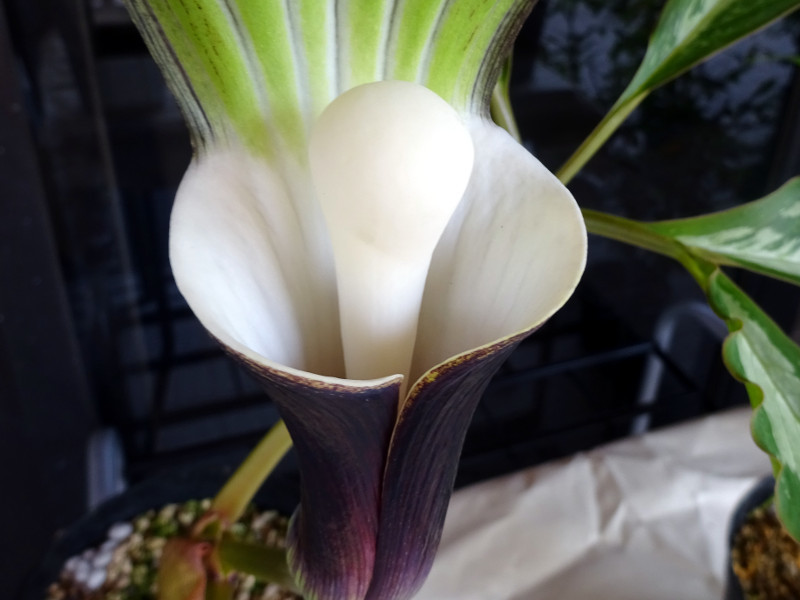
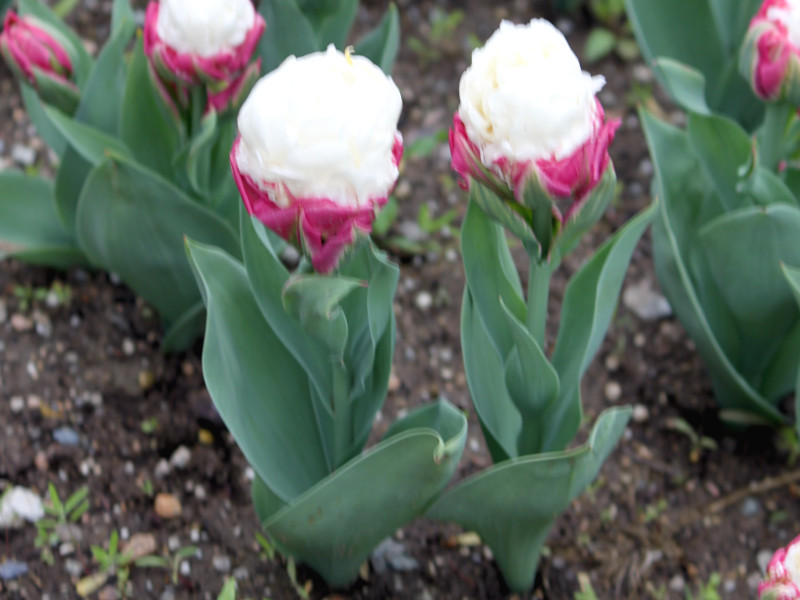
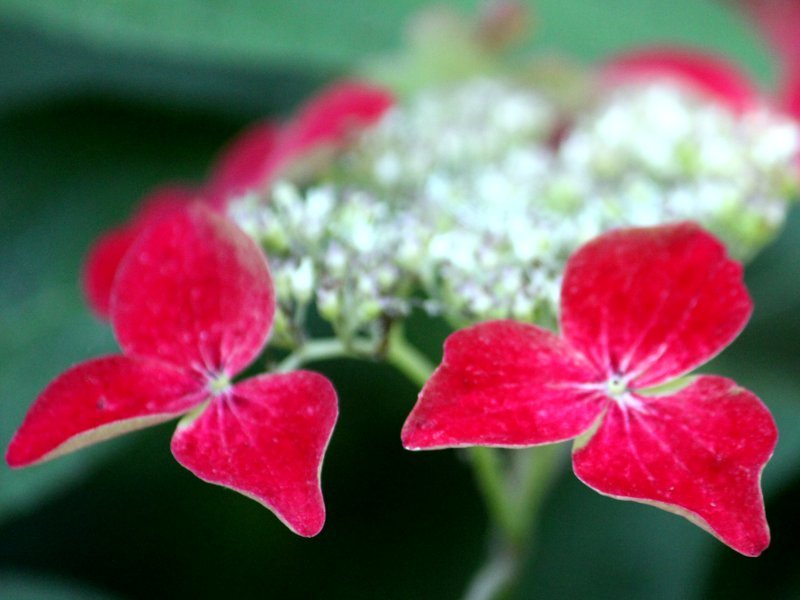
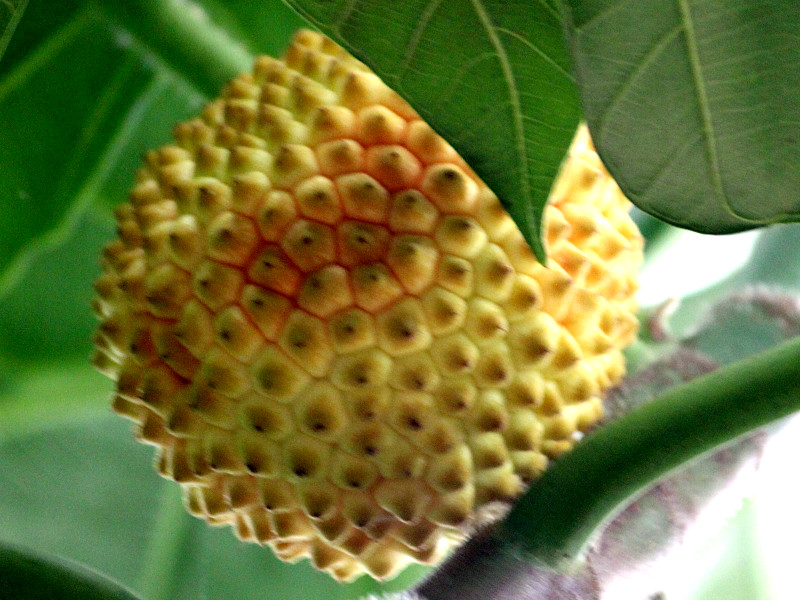
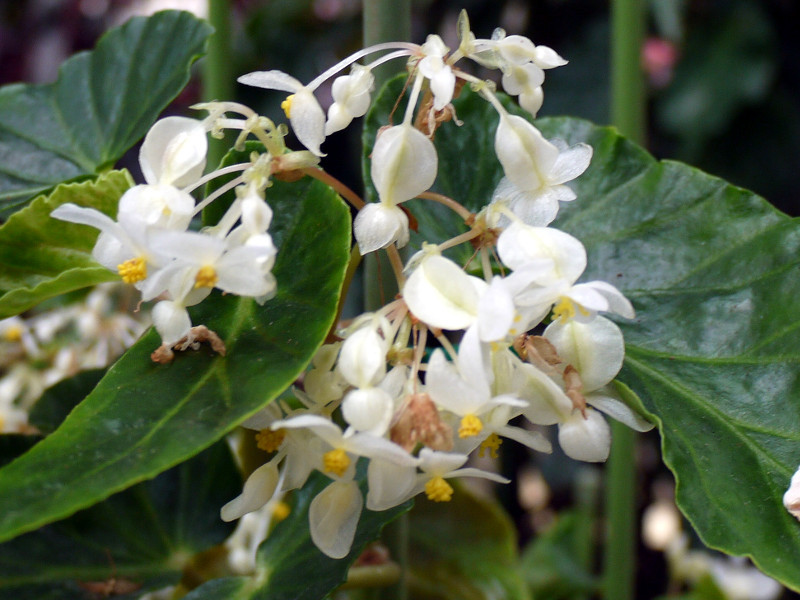
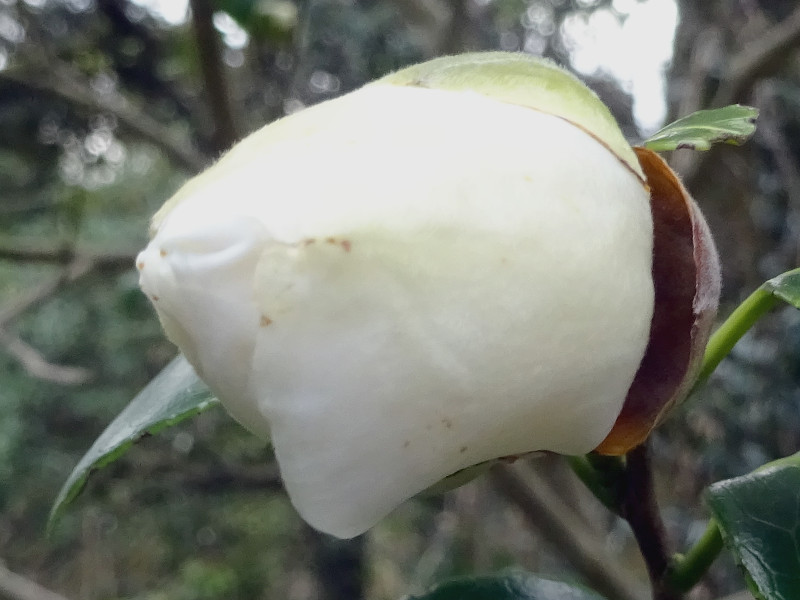
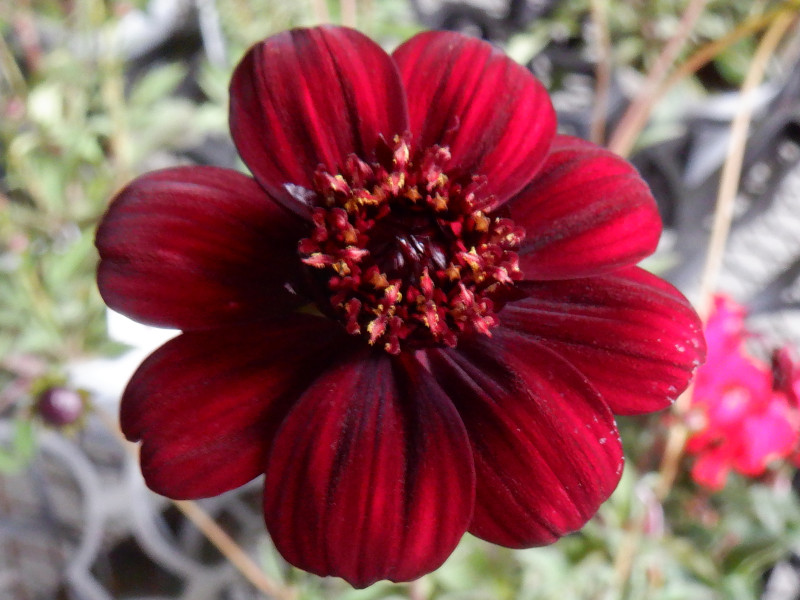
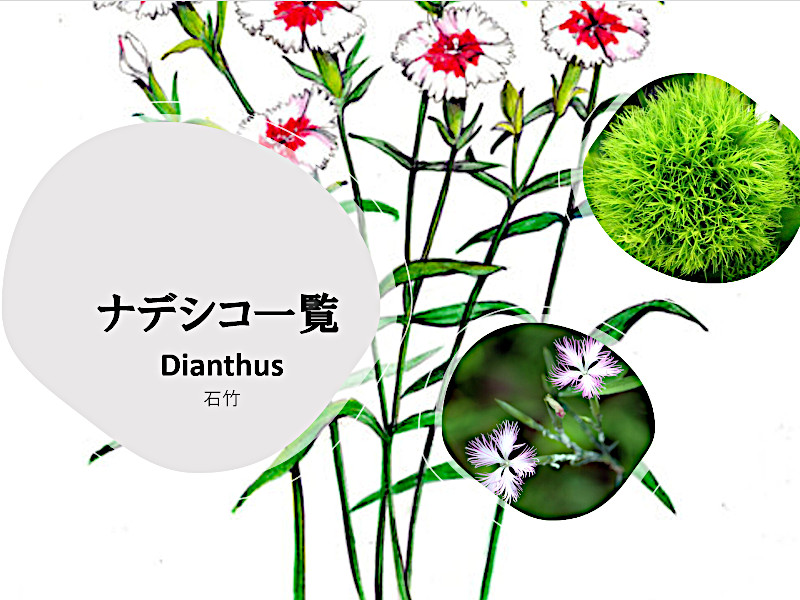
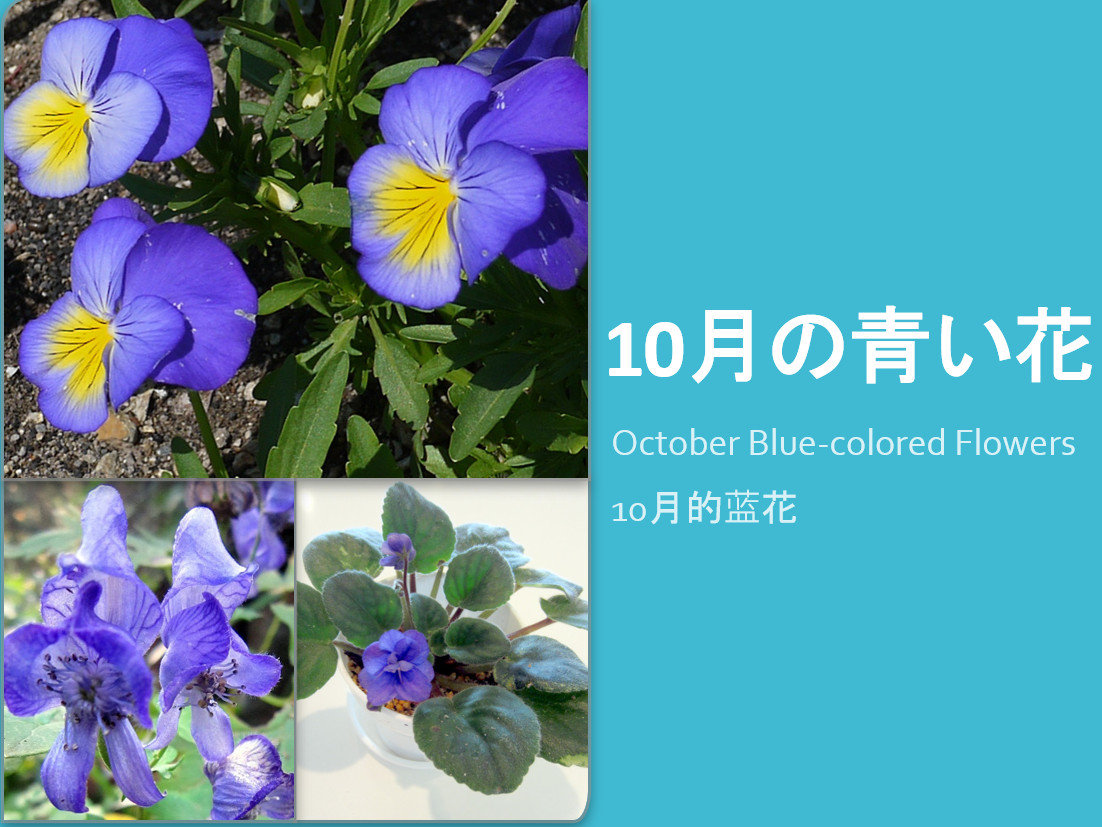
Special feature “sweets” in flower names ポスト Special feature “sweets” in flower namesChocolate CosmosChocolate cosmos (scientific name: Cosmos atrosanguines) is a semi-hardy perennial plant of the genus Cosmos in the Asteraceae family, native to Mexico. It is a semi-hardy perennial herb. The flowersTulipa IcecreamTulip Ice Cream (Scientific name: Tulipa cv. IceCream) is a garden cultivar of "Tulip" of the genus Ulysses tulip. It is a low-speed, low-late flowering system. In the spring, the outer flower coat isZaluzianskya capensisZaluzianskya capensis (scientific name: Zaluzianskya capensis) is an evergreen perennial/annual herb native to South Africa, belonging to the genus Zaluzianskya in the family Scrophulariaceae. It blooCandytuftIberis (scientific name: Iberis spp.) is a half hardy annual or perennial of the family native to Spain from Greece. Many florets gather and bloom semispherically. The flower was named by growing up iH. m. Momo no yamaH. m. 'Momo no yama' (Scientific name: Hydrangea macrophilla cv. Momo no yama) is one of the gardening products of cold-resistant deciduous shrubs b of the family Hydrangeae family. It is one of the PKanoko-yuriKanoko-yuri or, Lilium speciosum (scientific name: Lilium speciosum) is a perennial herb of the family Liliaceae native to Taiwan, China, and Japan of Kyushu and Shikoku . It grows wild in the low mouPinapple LilyPineapple lily (scientific name: Eucomis autumnalis) is native to Africa and is semi-cold-resistant perennial (bulbous plant) of the family Asparagaceae. In the locality it grows naturally in riverbanYukimochisouYukimochisou (scientific name: Arisaema sikokianum) is a perennial plant of the family Araceae native to Part of Honshu (Mie Prefecture, Nara Prefecture) and Shikoku in Japan. It glows in wet forest fBreadfruitBreadfruit (Scientific name: Artcarpus altilis) is native to Polynesia and is a tropical evergreen tall tree of the family Moraceae. The fruits contain carbohydrates and are the staple food in the Pac crimson cloverCrimson clover 'Strawberry candle' (Scientific name: Trifolium incarnatum) is a southern part of Europe and is a non-heat and cold-resistant annual grass of the genus Pseudomonas. A red flower that reBegonia 'White Beach'Begonia 'White Beach' (scientific name: Begonia cv. White Beach) is a perennial horticultural variety belonging to the family Begoniaceae. A large number of white four-petals bloom from the top of theCoral plantCoral plant (scientific name: Russelia equisetiformis) is native to Mexico and is a non-cold-resistant evergreen shrub of the family Plantaginaceae. From a long and narrow stalk similar to common horsCamellia “Shiratama"Camellia “Shiratama", (scientific name: Camellia japonica 'Shiratama') is a cultivar of camellia. It is white, single, medium circle (flower diameter 4-6 cm), round buds, and blooms from October to MaEriocaulon nudicuspeEriocaulon nudicuspe commonly called as Shiratama Hoshikusa in Japanese (Eriocaulon nudicuspe) is an annual plant native to Japan and a member of the Eriocaulaceae family and Eriocaulon genus. Due to Snow drop💧February 2nd's birth flower is Snow drop ~The Droplet of the Snow drop~ Aqua (drop's thought, illustration, English-Chinese translation), Edited by Mizuho @Kagiken Snowdrop,illustration:Aqua Not Other FeaturesDianthusDianthus The representative wild species, varieties, and relatives of the genus Dianthus include the following: Types of Dianthus Ezo-Kawaranadeshiko (Dianthus superbus var. superbus) – A varietySpecial Feature: Flower Names Inspired by "Fairy Tales or Story Protagonists"Special Feature: Flower Names Inspired by "Fairy Tales or Story Protagonists" Related pages Flower Names Inspired by "Fairy Tales or Story Protagonists"カ's FlowerThis is a collection of flowers whose Japanese names begin with the letter "カ". It also includes flowers whose alias begins with "か(ka)".Special Feature: Flower Names with "Human Names"Special Feature: Flower Names with "Human Names"September White FlowersWhite Flowers in September [Feature Article]. White and yellow flowers are said to be more common than other colors. Perhaps this is because the colors make it easier for insects to see them at nightCanada FlowersCanada Flowers